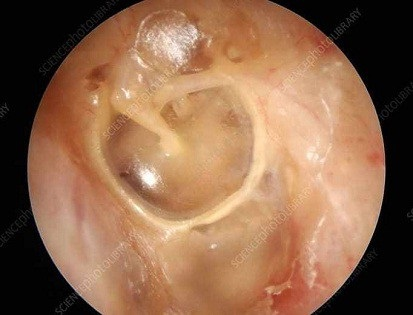
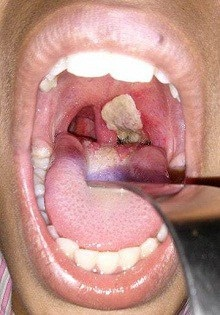
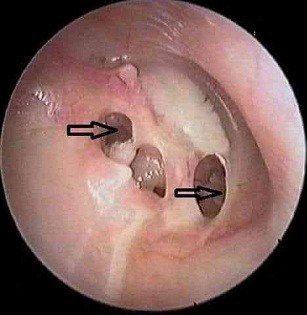
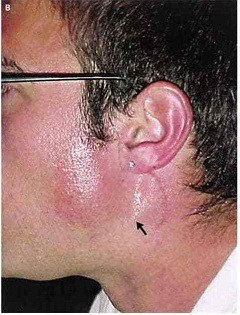
Q158. A 28-year-old male with history of chronic ear discharge and hearing loss undergoes otoscopic evaluation. The image shows complete absence of tympanic membrane, with visible middle ear structures. What is the most appropriate surgical intervention for this patient?
Tap an option to reveal the answer
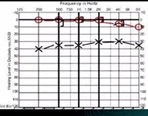
Q159. A 27-year-old male presents with complaints of reduced hearing in the left ear for 2 months. He denies tinnitus or vertigo. Rinne negative on left, positive on right and Weber lateralization to left. Pure tone audiometry is done, and the audiogram is shown below. Which of the following is the most likely diagnosis?

Tap an option to reveal the answer
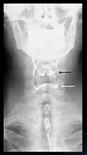
Q160. What is the marked structure?
Tap an option to reveal the answer

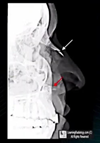
Q161. A patient presents to the emergency department with significant nasal trauma after a fall. Examination reveals a deviated nasal pyramid and palpitation confirms crepitus and mobility of the nasal bones. A lateral nasal bone X-ray confirms a displaced nasal bone fracture. Which of the following instruments is specifically designed for the closed reduction of a displaced nasal bone fracture?
Tap an option to reveal the answer

Q162. 72-year-old female smoker presents with a long history of hoarseness and difficulty swallowing. Laryngoscopy and biopsy confirm a large, advanced squamous cell carcinoma that involves both vocal cords and extends into the subglottic region and the thyroid cartilage. Which of the following surgical procedures is most appropriate to ensure complete tumor removal with adequate margins and control the disease?
Tap an option to reveal the answer

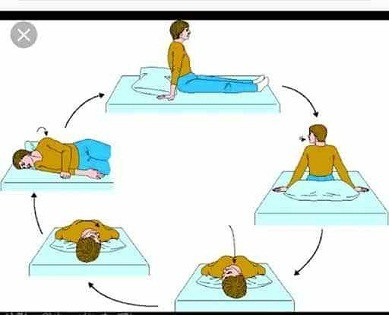
Q466. Name the manoeuvre shown in the image:

Tap an option to reveal the answer
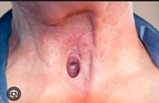
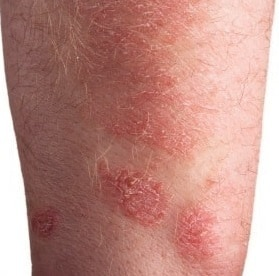
Q467. Identify the condition of the given image:

Tap an option to reveal the answer
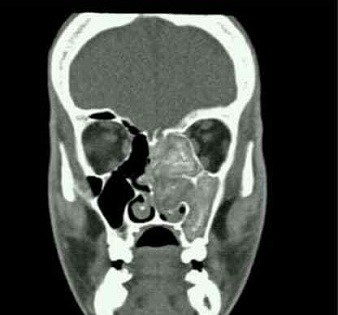
Q468. CT image of left maxilla with history of allergic rhinitis?

Tap an option to reveal the answer
Q470. Identify the lesion of vocal cord in the image given below:

Tap an option to reveal the answer
Q471. A patient gives H/o hoarseness in voice & presenting with clinical condition as shown in the image. Identify the lesion:

Tap an option to reveal the answer
Q472. A patient presented with the following picture of Tympanic Membrane. Most Probable diagnosis (marked with arrow):

Tap an option to reveal the answer
Q487. Nerve injured in Frey’s syndrome is:

Tap an option to reveal the answer
Q156. A 52-year-old female presents with progressive unilateral hearing loss, tinnitus, and imbalance. MRI brain shows a mass located in the cerebellopontine angle (CPA) extending into the internal acoustic meatus. Biopsy show verocay and Antoni bodies A and B. Based on location and imaging features, what is the most likely diagnosis?
Tap an option to reveal the answer
Q157. A 21-year-old male presents to the emergency department after blunt trauma to the nose during a football match. He has continuous anterior nasal bleeding despite compression. On anterior rhinoscopy, blood is seen actively oozing from the antero-inferior nasal septum. Which artery is most likely responsible and needs to be cauterized to stop the bleeding?
Tap an option to reveal the answer
Q345. Inspiratory stridor is found in what kind of lesions:
Tap an option to reveal the answer
Q376. Dohlman procedure for-
Tap an option to reveal the answer
Q392. Pott’s puffy tumor:
Tap an option to reveal the answer
Q504. Chronic retropharyngeal abcess is formed due to
Tap an option to reveal the answer
Q505. Post cricoids malignancy is commonly in
Tap an option to reveal the answer
Q511. Cobble stone appearance is seen in
Tap an option to reveal the answer